If your skin takes longer than a few seconds to bounce back after a gentle pinch, it may be an early sign of slowed collagen renewal. Many people discover this through the simple 10-second kitchen test — a quick indicator often linked to stress, poor sleep, aging, or nutrient gaps. This guide explains the test, what it means, and gentle ways to support natural collagen production.

How the 10-Second Collagen Test Works
This test is simple and used by many wellness practitioners to observe skin elasticity — an indirect reflection of collagen activity.
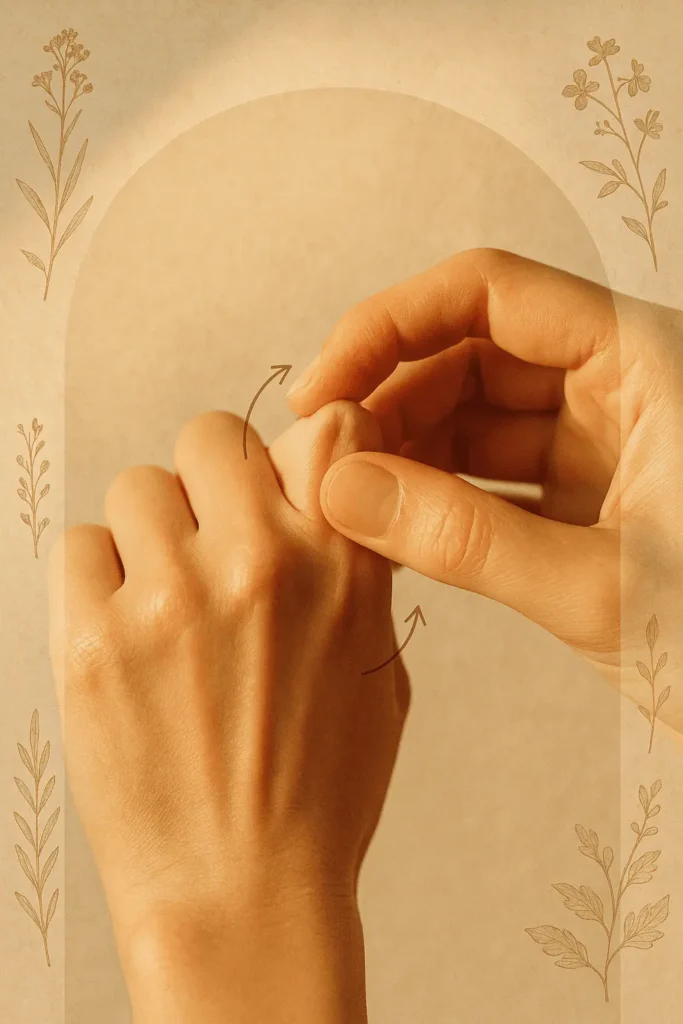
- Pinch the skin on your knuckles or the back of your hand.
- Hold for 5 seconds.
- Release and watch how quickly it returns.
Healthy, firm collagen usually allows the skin to return quickly. If it takes more than 2–3 seconds, it may suggest your collagen production is slowing. Improving sleep, hydration, and morning routines — like hydration habits or simple stretches — can help the body naturally rebuild.

Why Collagen Declines Faster Than Expected
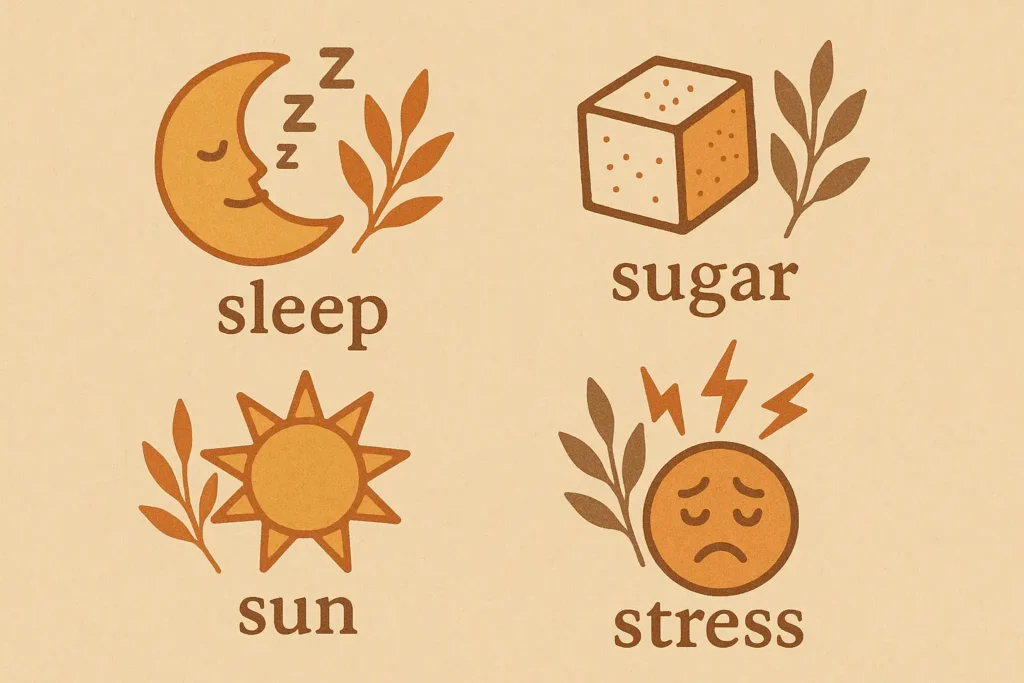
Collagen decreases naturally with age, but certain habits accelerate the decline:
- Poor sleep increases cortisol and slows collagen synthesis
- Sugar stiffens collagen fibers
- UV light breaks down collagen structure
- Chronic stress reduces nutrient absorption
Gentle lifestyle changes — like mindful evening routines (better sleep habits) or balanced breakfasts (balanced keto breakfasts) — help the body maintain stronger collagen.
The Problem With Typical Store Collagen Powders
Many people try collagen powders but don’t experience noticeable benefits because of:
| Common Issue | Why It Matters |
|---|---|
| Low-grade sourcing | Weak peptide profile → limited effects |
| Poor absorption | Large molecules your body struggles to use |
| Added sweeteners & fillers | Can irritate digestion and reduce efficacy |

Daily Habits That Naturally Support Collagen
You can strengthen collagen production through simple wellness rituals:
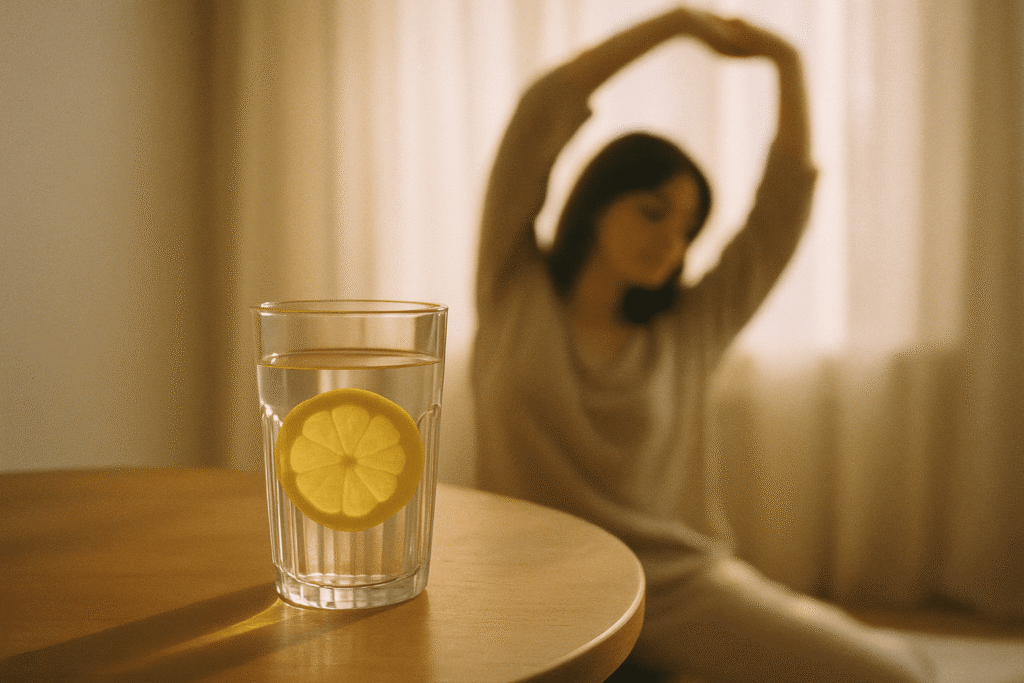
- Warm lemon water in the morning (morning drinks for glowing skin)
- Mindful movement (movement for energy)
- Calming night routines (evening habits)
Want a Gentle, Natural Way to Support Collagen?
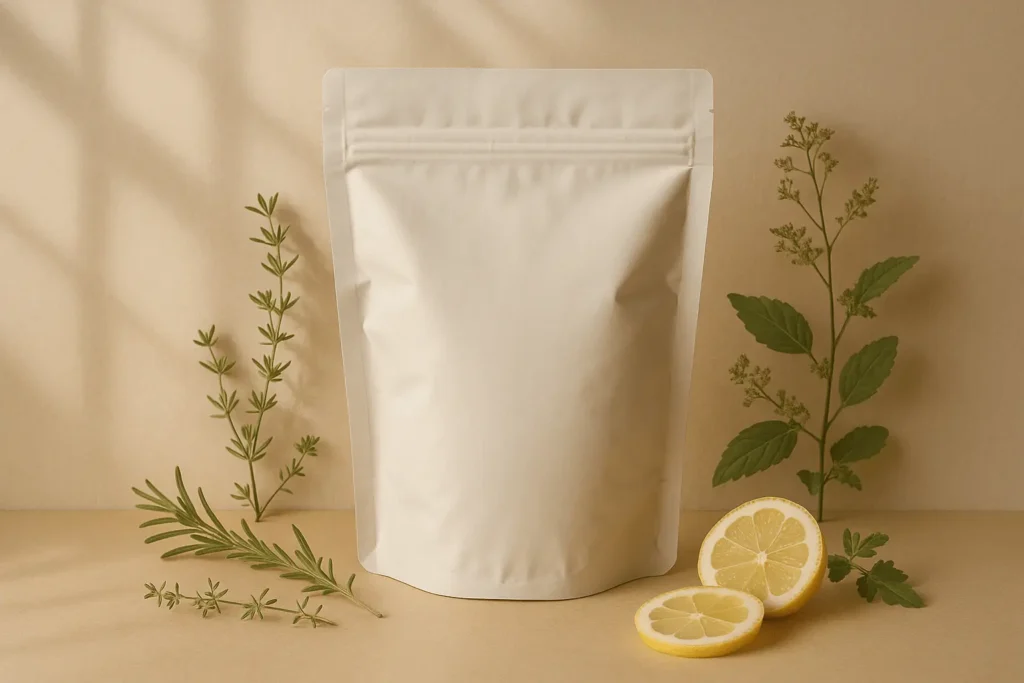
If you enjoy calm, simple wellness routines and prefer natural approaches, you may appreciate this collagen guide. It focuses on clean, bioactive peptides designed for people who want support without fillers or complexity.
The philosophy behind it is minimal, gentle, and absorption-focused — ideal for anyone who noticed slower bounce-back during the 10-second test and prefers a natural path forward.
Explore the Collagen Support Guide →
FAQ — Collagen & the 10-Second Skin Test
Does slow skin rebound always mean low collagen?
No, but it often signals reduced elasticity — commonly linked to aging, stress, or dehydration.
How long does it take to support collagen naturally?
Most people notice changes in 2–4 weeks when combining good sleep, hydration, gentle movement, and balanced meals.
Is the 10-second test a medical diagnosis?
No. It’s a simple observational tool used in wellness routines to understand elasticity trends.
What else affects collagen levels?
Sleep quality, sun exposure, stress, and daily nutrition play major roles in collagen renewal.

Elena Hartwell is a wellness educator specializing in sleep optimization, metabolic health, and natural weight management. After years of struggling with exhaustion and unexplained weight gain despite “doing everything right,” Elena discovered the powerful connection between sleep quality, gut health, and metabolism—a breakthrough that transformed her life and inspired her mission. Today, she translates cutting-edge research into simple, actionable strategies that help readers sleep better, lose stubborn weight naturally, and reclaim their energy. Elena’s evidence-based approach has helped thousands break free from the diet-exercise cycle by addressing the root cause: disrupted sleep and metabolic dysfunction.