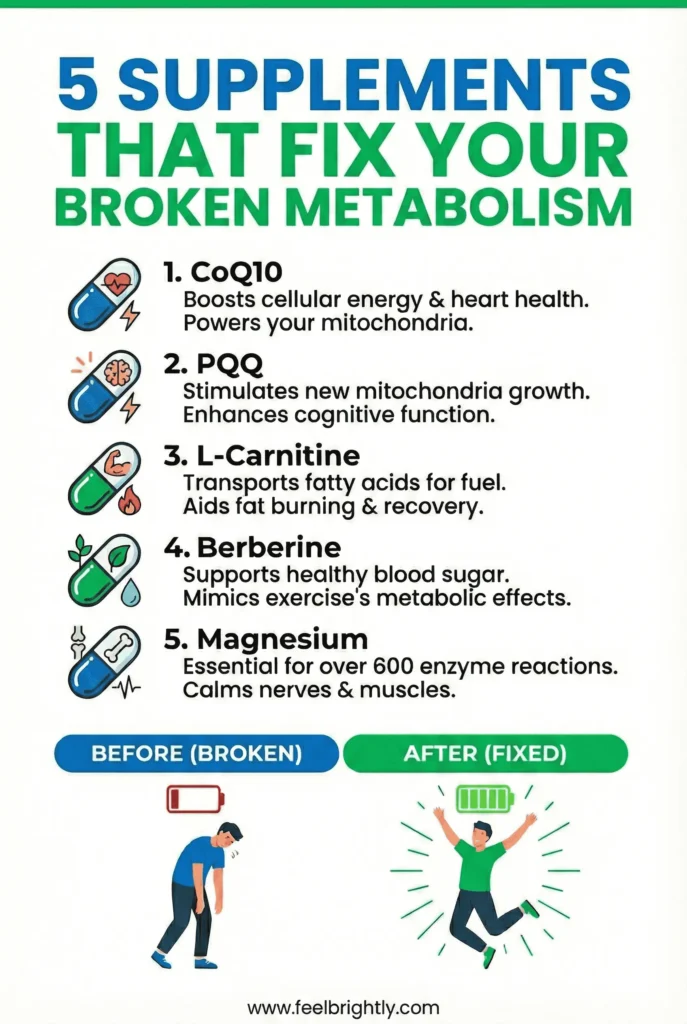

I tried a mitochondria-focused approach for 90 days. Lost 19 pounds. Energy came back. No more afternoon crashes. No crazy cravings.
This guide covers what actually causes stubborn weight gain, how mitochondria work, and the specific supplements and strategies that fixed it for me.
What Are Mitochondria and Why Should You Care?
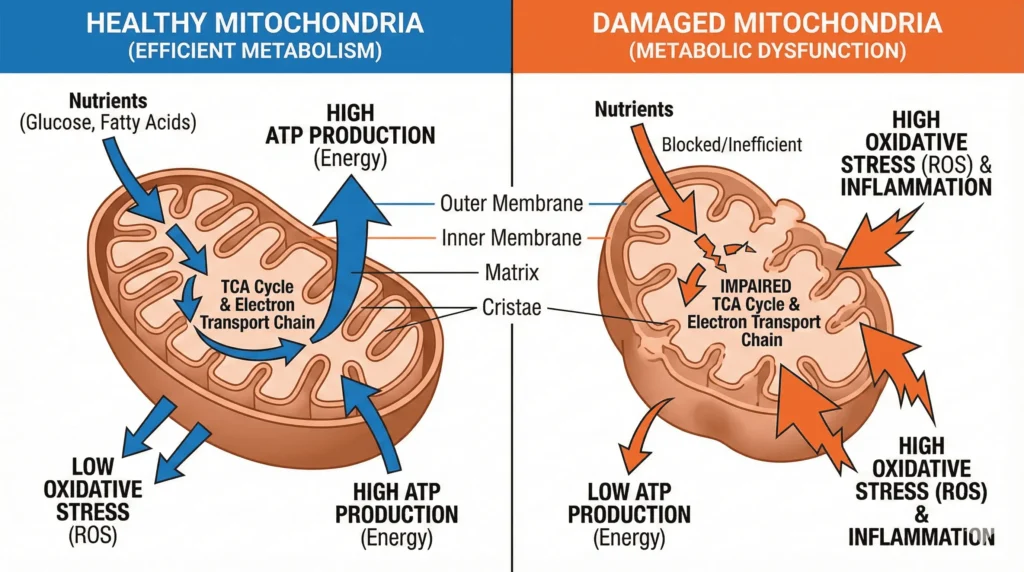
Mitochondria are the energy-producing structures within your cells. Every time you move, think, or breathe, mitochondria are converting food into usable energy (ATP).
Here’s what nobody tells you: if your mitochondria are damaged or dysfunctional, your metabolism slows to a crawl. You can eat 1,200 calories a day and still not lose weight because your cells can’t burn fat properly.
This isn’t some fringe theory. Research shows mitochondrial dysfunction is linked to:
– Stubborn weight gain and obesity
– Chronic fatigue and brain fog
– Insulin resistance and type 2 diabetes
– Premature aging
– Low energy production
Think of mitochondria like the engine in your car. If the engine is clogged and misfiring, it doesn’t matter how much gas you put in—the car won’t run efficiently.
Most people try to fix weight problems by eating less (reducing fuel). That’s backwards. You need to fix the engine first.
Why Your Mitochondria Are Probably Broken
Mitochondrial damage happens slowly over time. Here’s what kills them:
Processed foods. Seed oils, refined sugar, and artificial ingredients create oxidative stress that damages mitochondrial membranes. Every meal of processed junk is like throwing sand into your car’s engine.
Chronic stress. Elevated cortisol disrupts mitochondrial function. When you’re stressed 24/7, your body prioritizes survival over fat burning. Check out our guide on natural stress management for simple ways to reduce cortisol.
Toxins. Heavy metals, pesticides, plastics—they accumulate in cells and damage mitochondria. Even “healthy” foods can be contaminated if they’re not organic.
Sedentary lifestyle. Mitochondria multiply when you exercise. No movement = fewer mitochondria = slower metabolism. You don’t need intense workouts; even simple morning movement helps.
Poor sleep. Mitochondria repair themselves during deep sleep. Less than 7 hours? Your mitochondria never fully recover. Sleep quality matters more than you think—our evening habits guide covers this in detail.
Nutrient deficiencies. Mitochondria need specific vitamins and minerals to function. Low magnesium, B vitamins, or CoQ10 means they can’t produce energy efficiently.
If you’ve been dieting for years with minimal results, this is probably why. You’re fighting a broken metabolism.
The Supplements That Actually Repair Mitochondria
Not all supplements work. Most are overpriced garbage. But there are specific compounds with solid research backing their ability to restore mitochondrial function.
Here’s what I used—and what the science says:
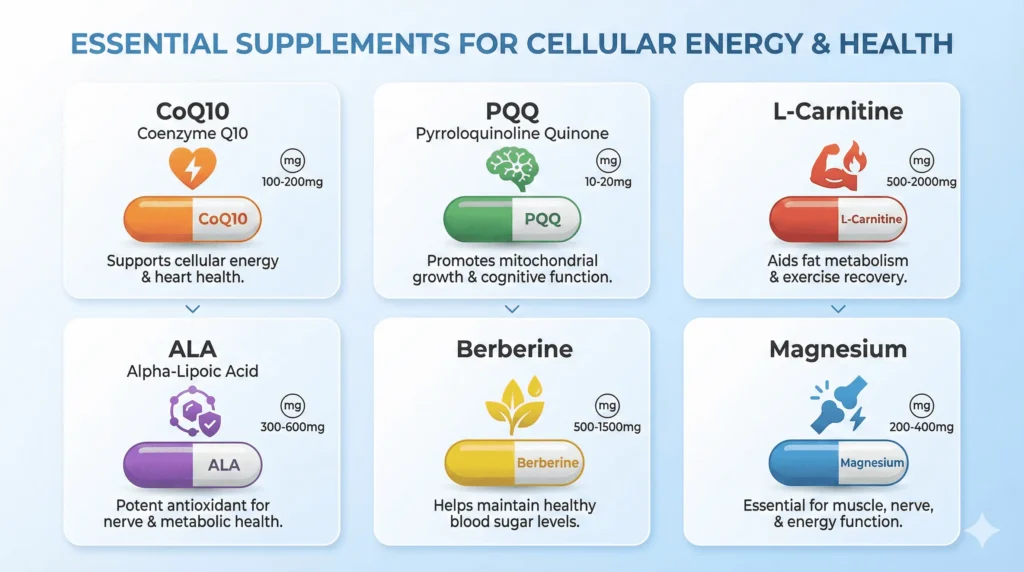
CoQ10 (Coenzyme Q10) – This is the #1 mitochondrial nutrient. It’s directly involved in ATP production. Your body makes it naturally, but production drops after age 30. Supplementing with 100-200mg daily helps mitochondria generate more energy. I noticed a difference within two weeks—less fatigue, better workouts.
PQQ (Pyrroloquinoline Quinone) – This triggers mitochondrial biogenesis, meaning it tells your body to create NEW mitochondria. More mitochondria = faster metabolism. Studies show 20mg daily increases mitochondrial density. This is the compound that made the biggest difference for me.
L-Carnitine – Transports fatty acids into mitochondria so they can be burned for energy. Without enough carnitine, fat just sits there. Dosage: 500-2,000mg daily. Works best when combined with CoQ10.
Alpha-Lipoic Acid (ALA) – Powerful antioxidant that protects mitochondria from oxidative damage while improving glucose metabolism. Dosage: 300-600mg daily.
Berberine – Activates AMPK, a metabolic switch that improves mitochondrial efficiency and insulin sensitivity. Almost as effective as prescription metformin for blood sugar control. Dosage: 500mg, 2-3 times daily with meals.
Magnesium – Over 300 enzymatic reactions depend on magnesium, including ATP production. Most people are deficient. I use magnesium glycinate, 400mg before bed.
The Supplement I Actually Used (And Why It Worked)
I tried individual supplements first—buying CoQ10, PQQ, L-Carnitine separately. It worked, but I was taking 6-7 pills daily and spending $150/month.
Then I found Mitolyn, a formula that combines all the key mitochondrial nutrients in one supplement. It includes:
– 200mg CoQ10 (Ubiquinol form, better absorption)
– 20mg PQQ
– 1,000mg L-Carnitine
– 300mg Alpha-Lipoic Acid
– 500mg Berberine
– Plus Amla extract for additional antioxidant protection
I was skeptical of “all-in-one” formulas, but the dosages are legit—not the underdosed garbage you see in most supplements.
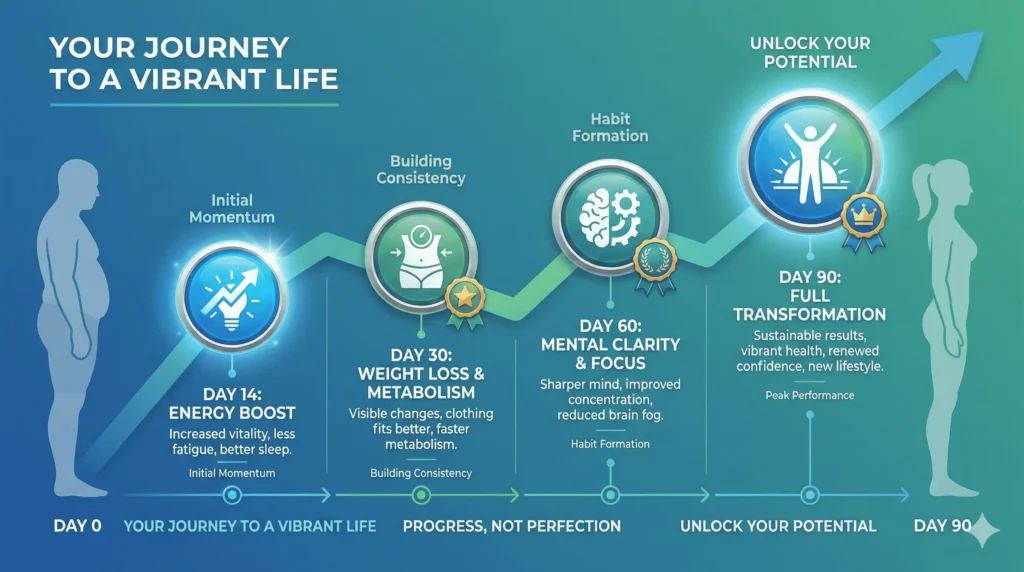
What I noticed after 30 days:
– Energy levels stabilized—no more 2 PM crash
– Lost 7 pounds without changing my diet
– Better focus and mental clarity
– Workouts felt easier, recovered faster
After 90 days:
– Down 19 pounds total
– Waist down 3 inches
– Consistent energy all day
– Food cravings basically gone
The difference between this and regular “fat burners” is night and day. Fat burners just jack you up with caffeine and make you feel jittery. Mitolyn fixes the underlying problem—your cellular metabolism.
Where to get it: Official Mitolyn website. They have a 90-day guarantee, which is why I tried it in the first place. If it doesn’t work, you get your money back.
Alternative Options (Amazon Supplements That Work)
If you prefer building your own stack or want individual supplements, here’s what I recommend:
1. Qunol Ultra CoQ10 – Best-selling CoQ10 on Amazon. 100mg softgels, highly absorbable. Take 2 daily for 200mg total. Around $25 for a 120-count bottle.
2. Jarrow Formulas PQQ – Pure PQQ, 20mg capsules. Reliable brand, third-party tested. About $30 for 30 capsules (one-month supply).
3. NOW Foods L-Carnitine – 1,000mg per serving, liquid form for better absorption. Tastes fine mixed with water or juice. $20 for a month’s supply.
Buying separately costs about $75/month and you’ll take multiple pills. Still works—just less convenient than an all-in-one formula.
How to Support Mitochondria Beyond Supplements
Supplements help, but they’re not magic. You need to support mitochondrial health with lifestyle changes too.
Eat real food. Prioritize grass-fed meat, wild-caught fish, organic vegetables, and healthy fats (olive oil, avocado, nuts). Minimize seed oils, processed carbs, and sugar. Every meal is either supporting or damaging your mitochondria.
Intermittent fasting. Fasting triggers autophagy—your body’s cellular cleanup process. This removes damaged mitochondria and stimulates creation of new ones. I do 16:8 (eat within an 8-hour window). Start with 12 hours and work up.
Exercise (but don’t overdo it). Both cardio and strength training increase mitochondrial density. But chronic cardio (running for hours) can actually damage them through oxidative stress. Best approach: 3-4 strength sessions per week, plus daily walking.
Cold exposure. Cold showers or ice baths force mitochondria to produce more heat, making them more efficient. I do 2-3 minutes of cold water at the end of every shower. Miserable at first, but you adapt.
Red light therapy. Near-infrared light penetrates tissue and stimulates mitochondrial ATP production. I use a red light panel for 10 minutes in the morning. Not essential, but noticeably boosts energy.
Prioritize sleep. 7-9 hours, every night. Mitochondrial repair happens during deep sleep. If your sleep is trash, nothing else will work as well.
Manage stress. Chronic cortisol is mitochondrial poison. Meditation, walking, breathwork—find something that works for you. Even 10 minutes daily makes a difference.
What to Expect: Timeline for Results
Don’t expect overnight transformations. Mitochondrial healing takes time.
Week 1-2: Slight energy improvement. Less brain fog. You might not notice much yet, but cellular changes are happening.
Week 3-4: Energy becomes more stable throughout the day. No more crashes. You’ll start sleeping better too.
Week 5-8: This is when weight loss kicks in. For me, it was about 1-2 pounds per week. Not dramatic, but consistent. Workouts feel easier, recovery improves.
Week 9-12: The compound effect hits. You’ve lost 10-15 pounds, energy is solid, mental clarity is sharp. Your body is running on properly functioning mitochondria now.
Most people quit supplements after 2-3 weeks because they don’t see instant results. That’s a mistake. Give it 90 days minimum.
Common Mistakes People Make
Buying cheap supplements with low doses. A bottle that says “CoQ10” might only have 30mg—not enough to do anything. Check the label. If it’s significantly cheaper than similar products, there’s a reason.
Expecting supplements to fix a terrible diet. You can’t out-supplement garbage food. If you’re still eating fast food daily, processed snacks, and seed oils, mitochondrial supplements won’t save you.
Quitting too early. Most people try something for 3 weeks, don’t see dramatic results, and quit. Cellular repair takes months, not days.
Ignoring sleep and stress. You can take every supplement in the world, but if you’re sleeping 5 hours and stressed 24/7, your mitochondria will stay broken.
Doing too much cardio. Excessive endurance exercise creates oxidative stress that damages mitochondria. Keep cardio moderate. Focus on strength training and walking.
Not tracking progress. Take before photos, measurements, and note your energy levels weekly. Weight alone doesn’t tell the full story. I lost inches before the scale moved much.
Who Should Try Mitochondrial Support?
This approach works best if you:
– Have been dieting for years with minimal results
– Feel exhausted constantly, even after sleeping
– Struggle with brain fog and poor focus
– Have insulin resistance or prediabetes
– Are over 35 (mitochondrial function naturally declines with age)
– Have a history of yo-yo dieting that wrecked your metabolism
If you’re young, eating clean, sleeping well, and just need to lose 5-10 pounds—you probably don’t need this. Just dial in your diet and exercise.
But if you’ve tried everything and nothing works, mitochondrial dysfunction is very likely the problem.
My Results After 90 Days
Here’s what actually happened when I focused on mitochondrial health:
Weight: Started at 187 pounds, ended at 168 pounds. Lost 19 pounds in 90 days without extreme dieting or killing myself in the gym.
Energy: Went from needing 3 cups of coffee just to function to waking up naturally alert. No more afternoon crashes.
Body composition: Lost 3 inches off my waist. Visible fat loss in my midsection, which had been stubborn for years.
Mental clarity: Brain fog disappeared. Better focus at work, better memory.
Workouts: Lifts went up, recovery improved. I wasn’t trying to build muscle—this was a side effect of better cellular energy.
Cravings: Almost completely gone. I used to think about food constantly. Now I eat when I’m hungry and forget about it otherwise.
This wasn’t a magic pill. I still ate relatively clean (80/20 rule—strict during the week, relaxed on weekends). I still lifted weights 3-4 times per week and walked daily.
But the difference was that my body was finally able to respond. Before, I’d do all the “right things” and see minimal results. Fixing my mitochondria unlocked everything.
Frequently Asked Questions
Are mitochondrial supplements safe?
Yes, for most people. CoQ10, PQQ, L-Carnitine, and the other compounds I mentioned are well-studied and generally safe. If you’re on medication (especially blood thinners or diabetes drugs), check with your doctor first. Berberine can lower blood sugar, so monitor levels if you’re diabetic.
How long does it take to see results?
Most people notice improved energy within 2-3 weeks. Weight loss typically starts around week 4-6. Give it 90 days for full results. Mitochondrial repair isn’t instant.
Can I just eat better instead of taking supplements?
Diet helps, but it’s hard to get therapeutic doses of compounds like PQQ and CoQ10 from food alone. You’d need to eat pounds of organ meat daily. Supplements make it practical.
Will I regain the weight if I stop taking supplements?
If you maintain good habits (real food, exercise, sleep), you’ll keep most of your results. Mitochondria don’t immediately break again. But supplements do provide ongoing support, especially as you age.
What’s the best time to take mitochondrial supplements?
CoQ10 and PQQ are fat-soluble, so take them with a meal that contains fat for better absorption. L-Carnitine works well in the morning or before workouts. Berberine should be taken with meals to help with blood sugar control.
Can I take these supplements with coffee?
Yes. In fact, coffee is good for mitochondria—it contains polyphenols that support mitochondrial function. Just don’t overdo the caffeine (300mg max daily).
Do I need all these supplements or can I just take one?
CoQ10 + PQQ is the minimum I’d recommend. They work synergistically—CoQ10 helps existing mitochondria work better, PQQ creates new ones. The others (carnitine, ALA, berberine) enhance results but aren’t absolutely required.
Final Thoughts
If you’ve been struggling with weight loss and low energy despite doing “everything right,” the problem isn’t you—it’s your mitochondria.
You can’t out-diet or out-exercise broken cellular metabolism. You have to fix the underlying issue first.
For me, the combination of mitochondrial supplements (specifically Mitolyn), eating real food, intermittent fasting, and better sleep changed everything.
This isn’t a quick fix. It’s a 90-day commitment. But if you’re serious about actually solving the problem instead of just treating symptoms, this is the most effective approach I’ve found.
Your mitochondria control your metabolism, energy, and how your body burns fat. Take care of them, and everything else gets easier.
If you’re ready to try a mitochondrial approach, start with the basics: get a quality supplement stack (either Mitolyn or the individual supplements I listed), clean up your diet, prioritize sleep, and give it 90 days. Track your results weekly.
Three months from now, you’ll either have fixed the problem—or you’ll still be doing the same thing that hasn’t worked for years.
Disclaimer: This article is for informational purposes only and not medical advice. Results mentioned are personal experiences and may vary. Consult your healthcare provider before starting any supplement regimen, especially if you have existing health conditions or take medications.

Elena Hartwell is a wellness educator specializing in sleep optimization, metabolic health, and natural weight management. After years of struggling with exhaustion and unexplained weight gain despite “doing everything right,” Elena discovered the powerful connection between sleep quality, gut health, and metabolism—a breakthrough that transformed her life and inspired her mission. Today, she translates cutting-edge research into simple, actionable strategies that help readers sleep better, lose stubborn weight naturally, and reclaim their energy. Elena’s evidence-based approach has helped thousands break free from the diet-exercise cycle by addressing the root cause: disrupted sleep and metabolic dysfunction.