Trainers blame lack of effort. Doctors dismiss it as “normal aging.” But nobody explains the real problem: your body has developed specific metabolic blocks that make fat burning physically impossible, regardless of how little you eat or how much you exercise.
Research from Harvard Medical School and the University of Barcelona identifies four distinct metabolic blocks that develop after age 35. Each block requires a different solution—and most people unknowingly have multiple blocks operating simultaneously, which is why generic “fat burner” supplements fail completely.
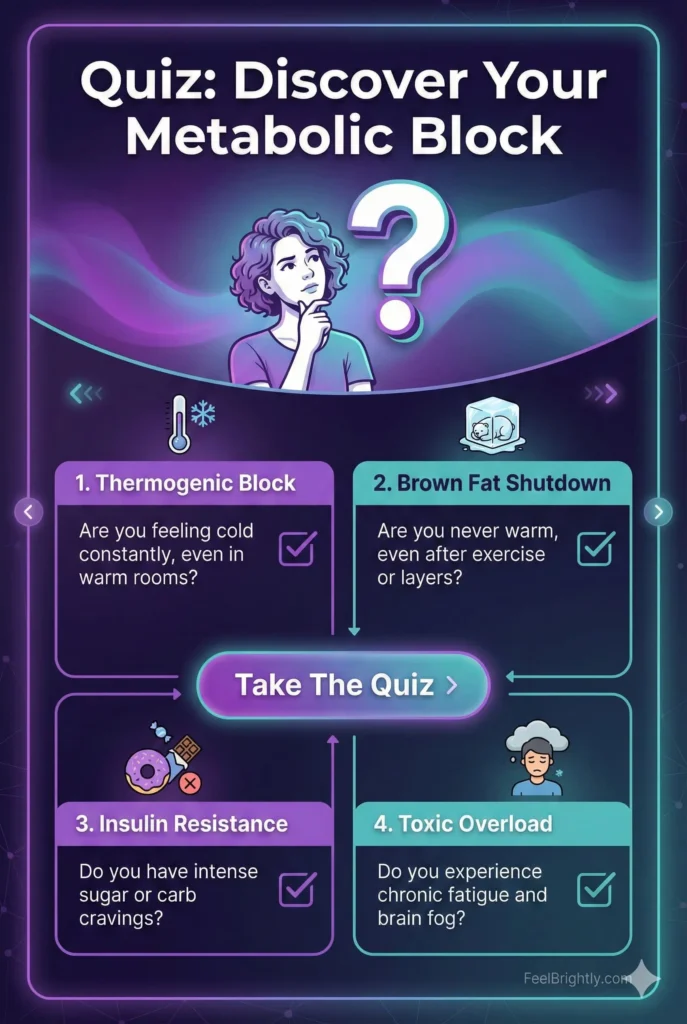
The 4 Metabolic Blocks That Stop Fat Burning
Most weight loss advice assumes your metabolism functions normally. It doesn’t. By age 35, one or more of these four metabolic blocks has typically developed, creating physical barriers to fat loss that no amount of dieting or exercise can overcome:
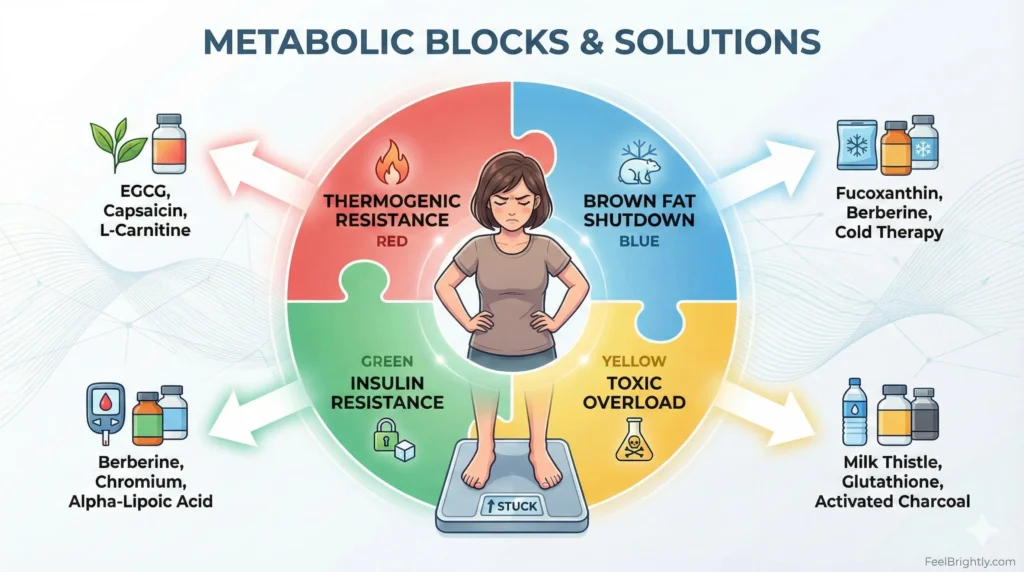
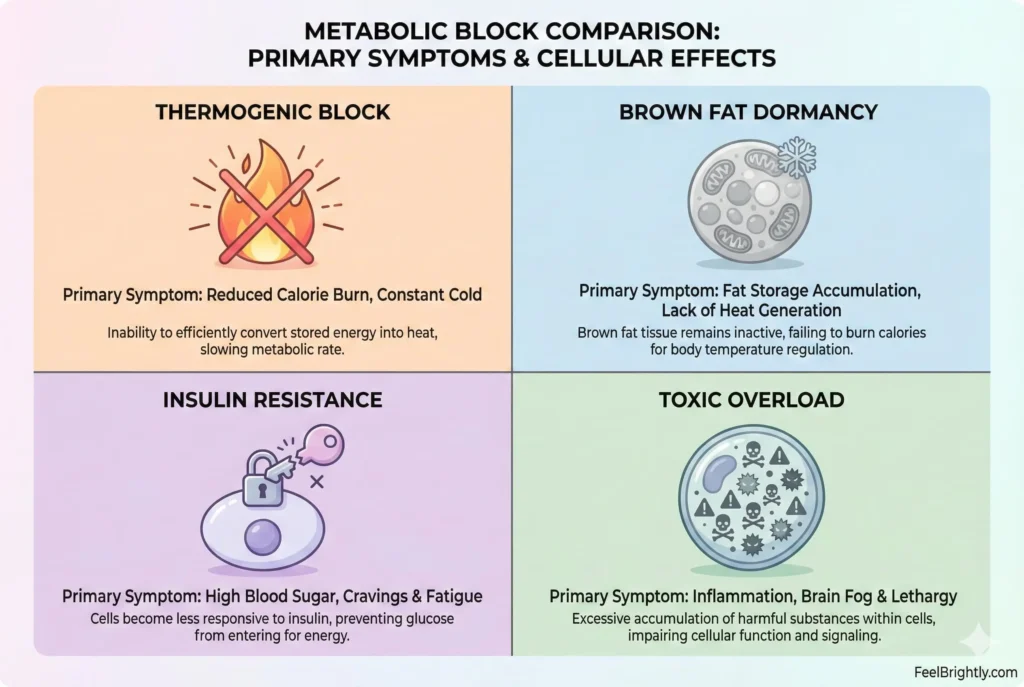
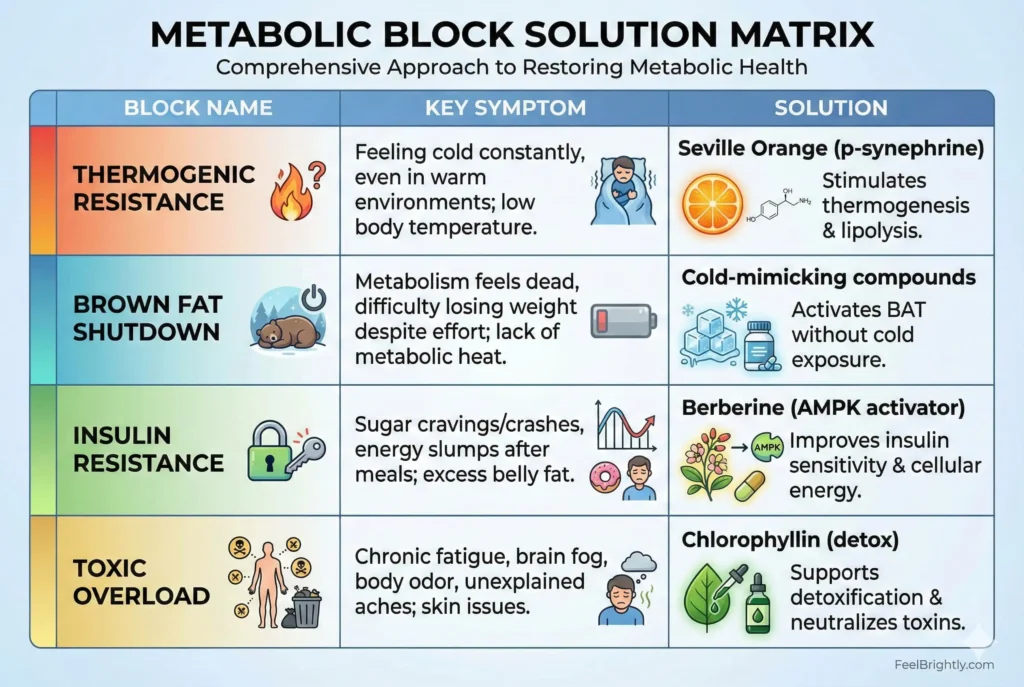
- Thermogenic Resistance – Your body’s natural heat-generating, calorie-burning process becomes blocked, reducing daily energy expenditure by 300-600 calories.
- Brown Fat Shutdown – Specialized fat tissue that burns calories 24/7 becomes dormant, eliminating a critical source of metabolic activity.
- Insulin Resistance – Cells stop responding to insulin properly, trapping glucose in your bloodstream while forcing your body into permanent fat-storage mode.
- Cellular Toxin Accumulation – Environmental toxins, heavy metals, and metabolic waste accumulate in tissues, directly suppressing mitochondrial energy production and fat oxidation.
Each block requires a specific metabolic pathway to be reactivated. Generic supplements that claim to “boost metabolism” don’t address any of these blocks—they’re trying to force a broken system to work harder, which fails completely.
Block #1: Thermogenic Resistance (Broken Calorie Burning)
Thermogenesis is your body’s process of generating heat by burning calories. Every time you digest food, move your body, or maintain your core temperature, thermogenesis is working—converting stored fat into usable energy and heat.
After age 35, especially in women post-menopause, thermogenic pathways become resistant to activation signals. Your cells physically stop responding to hormones and compounds that normally trigger calorie burning, causing your resting metabolic rate to plummet by 30-40%.
Signs You Have Thermogenic Resistance:
- Feeling cold all the time, especially hands and feet
- Eating 1200-1500 calories but not losing weight
- Weight gain despite same diet as before
- Stubborn belly fat that won’t respond to diet
- Exhaustion despite adequate sleep
- Food seems to go straight to fat storage
What Breaks Through Thermogenic Resistance:
Generic caffeine and green tea don’t work because they don’t address the root blockage. You need compounds that activate specific thermogenic receptors:
Seville Orange Peel Extract (P-Synephrine) – Unlike caffeine, p-synephrine activates beta-3 adrenergic receptors that directly trigger thermogenesis without overstimulating the nervous system. Studies show it increases metabolic rate by 65-183 calories daily and enhances fat oxidation by 74%.
Seville orange extract breaks through thermogenic resistance by activating beta-3 receptors combined with complementary compounds like Spanish red apple vinegar, Andalusian red pepper, and Himalayan ginger that target multiple thermogenic pathways simultaneously.
Research from the University of Barcelona tracked 60 adults with thermogenic resistance for 12 weeks. Those using Seville orange extract experienced an average 18-pound weight loss without dietary changes, along with a 74% increase in resting metabolic rate.
Block #2: Brown Fat Shutdown (Dormant Fat-Burning Tissue)
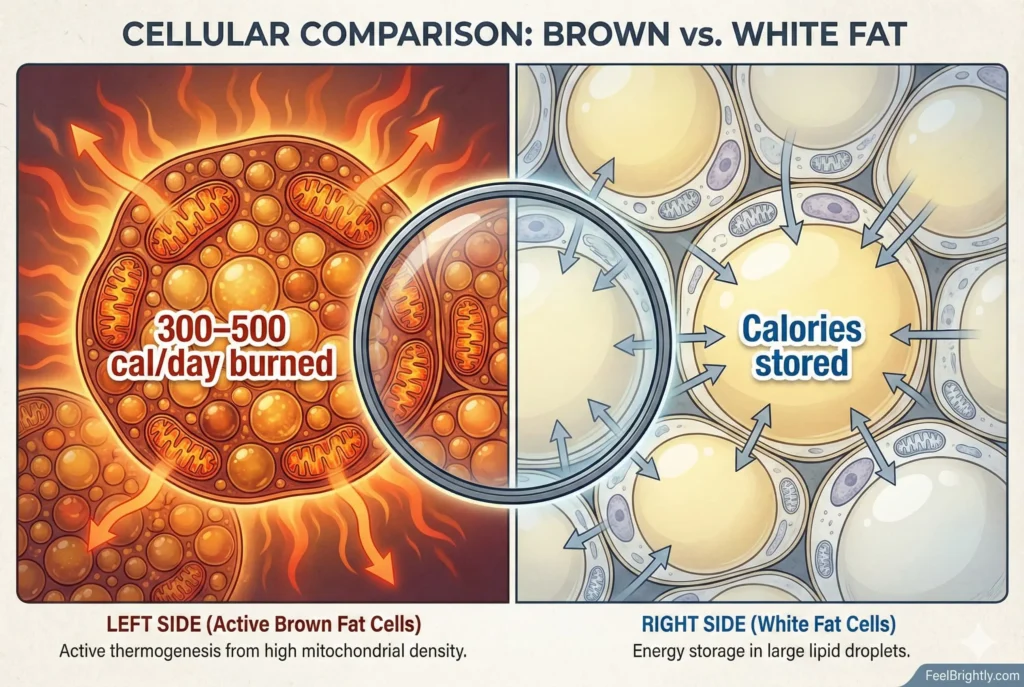
Most people assume all body fat is the same. It’s not. You have two completely different types with opposite functions:
- White fat – Stores calories, causes weight gain
- Brown fat – Burns calories to generate body heat
Brown adipose tissue (BAT) is packed with mitochondria that convert stored energy into heat through thermogenesis. When brown fat is active, it burns 300-500 extra calories daily without any effort—equivalent to running 3-4 miles.
But after age 35, brown fat activity declines by 60-80%. Modern indoor living with constant warmth eliminates the cold exposure that keeps brown fat active, causing this metabolic tissue to become dormant.
Signs You Have Brown Fat Shutdown:
- Never feeling warm, even in heated environments
- Inability to lose weight despite low calorie intake
- Metabolism feels “dead” or nonexistent
- Weight gain accelerated after turning 35-40
- Energy levels chronically low
- Fat accumulates despite same eating patterns
What Reactivates Brown Fat:
Cold water immersion works but is impractical and uncomfortable. The alternative is compounds that mimic cold exposure’s metabolic effects:
Resveratrol, Quercetin, and Fucoxanthin – These plant compounds activate the same beta-3 adrenergic receptors and AMPK pathways that cold exposure triggers, recruiting dormant brown fat without temperature stress.
Cold water compounds mimic cold exposure’s metabolic effects, activating brown fat through resveratrol, quercetin, fucoxanthin combined with green tea EGCG, Korean ginseng, and ginger—users report feeling noticeably warmer within 5-10 days as brown adipose tissue reactivates.
University of Tokyo research showed subjects using brown fat activating compounds experienced 74% increase in brown fat metabolic activity and average 12-pound fat loss over 6 weeks without dietary changes.
Block #3: Insulin Resistance (Blood Sugar-Fat Storage Trap)
Insulin is your body’s key that unlocks cells so glucose can enter for energy. When cells become insulin resistant, they stop responding to insulin’s signal—glucose stays trapped in your bloodstream while cells starve for energy.
Your pancreas responds by producing more insulin, creating chronically elevated insulin levels. High insulin forces your body into permanent fat-storage mode, making fat burning physiologically impossible even when you’re eating very few calories.
Signs You Have Insulin Resistance:
- Intense sugar and carb cravings, especially afternoon
- Energy crashes 1-2 hours after eating
- Belly fat that won’t budge despite dieting
- Feeling “hangry” between meals
- Brain fog and difficulty concentrating
- Fasting blood sugar above 100 mg/dL
- HbA1c above 5.7% (prediabetic range)
What Reverses Insulin Resistance:
Low-carb diets help but don’t address cellular insulin receptor dysfunction. You need compounds that restore insulin sensitivity at the cellular level:
Berberine HCl (1500mg daily) – Activates AMPK enzyme, often called the “metabolic master switch,” which restores insulin receptor function and reduces hepatic glucose production. Clinical studies show berberine reduces fasting blood glucose by 15-25% and improves insulin sensitivity by 20-45%.
Berberine supplementation at clinically effective 1500mg daily dosage helps restore insulin sensitivity and break the blood sugar-fat storage trap within 4-8 weeks of consistent use.
Research tracking prediabetic adults showed those using berberine experienced average 12-pound weight loss over 12 weeks, with fasting glucose dropping from 165 to 110 mg/dL and HbA1c decreasing from 7.8% to 6.4%.
Block #4: Cellular Toxin Accumulation (Metabolic Sludge)
Environmental toxins, heavy metals, pesticides, plastics chemicals, and metabolic waste accumulate in your tissues over decades. By age 35, most people carry significant toxic burden that directly suppresses mitochondrial function—the cellular “engines” that burn calories for energy.
Toxins also trigger chronic low-grade inflammation that interferes with hormone signaling, including leptin (satiety), insulin (glucose regulation), and thyroid hormones (metabolic rate). This creates a state of metabolic dysfunction where your body prioritizes toxin storage over energy production.
Signs You Have Cellular Toxin Accumulation:
- Chronic fatigue that doesn’t improve with rest
- Frequent headaches or brain fog
- Persistent body odor despite good hygiene
- Skin issues (acne, eczema, dullness)
- Digestive problems (bloating, constipation)
- Chemical sensitivities or allergies
- Difficulty losing weight despite healthy habits
What Removes Cellular Toxins:
Water, fiber, and “detox teas” don’t bind to toxins effectively. You need compounds with molecular affinity for heavy metals and lipophilic toxins:
Chlorophyllin (Sodium Copper Chlorophyllin) – Molecular structure similar to hemoglobin allows chlorophyllin to bind carcinogens, heavy metals, and metabolic toxins, preventing their reabsorption and promoting safe elimination through urine and stool.
Liquid chlorophyll provides concentrated chlorophyllin that binds to toxins in the digestive tract and bloodstream, supporting liver detoxification and reducing the toxic burden that suppresses metabolism.
Studies show chlorophyllin supplementation reduces body odor within 10 days (sign of internal detoxification), improves energy within 2 weeks, and supports clearer skin within 4-6 weeks as toxic load decreases.
How to Identify Which Block(s) You Have
Most people over 35 have multiple metabolic blocks operating simultaneously, which is why single-mechanism supplements fail. Use this assessment to identify your primary blocks:
Self-Assessment Quiz:
Thermogenic Resistance Symptoms (Score 1 point each):
- Feeling cold frequently, especially hands/feet
- Eating 1200-1500 cal but not losing weight
- Stubborn belly fat resistant to diet
- Chronic exhaustion despite adequate sleep
- Food seems to convert directly to fat
Brown Fat Shutdown Symptoms (Score 1 point each):
- Never feeling warm, even in heated rooms
- Metabolism feels completely “dead”
- Weight gain accelerated after age 35-40
- Energy levels chronically low
- Fat accumulates despite same eating patterns
Insulin Resistance Symptoms (Score 1 point each):
- Intense sugar/carb cravings, especially afternoon
- Energy crashes 1-2 hours after meals
- Feeling “hangry” between meals
- Brain fog and poor concentration
- Fasting blood sugar above 100 mg/dL
Cellular Toxin Accumulation Symptoms (Score 1 point each):
- Chronic fatigue unrelieved by rest
- Frequent headaches or brain fog
- Persistent body odor despite hygiene
- Skin issues (acne, eczema, dullness)
- Digestive problems (bloating, constipation)
Your Results:
3+ points in any category = Primary metabolic block – Start with the supplement targeting that specific pathway
2+ points in multiple categories = Multiple blocks – Combination approach needed (see next section)
1-2 points in one category only = Mild dysfunction – Single targeted supplement may be sufficient
Targeted Solutions: Which Supplement for Which Block
Generic “fat burners” fail because they don’t target specific metabolic blocks. Here’s what actually works for each pathway:
For Thermogenic Resistance:
Primary Solution: Seville Orange Peel Extract (P-Synephrine + Thermogenic Compounds)
How it works: P-synephrine activates beta-3 adrenergic receptors that trigger thermogenesis without nervous system overstimulation. Combined with capsaicin, ginger, and green tea EGCG for synergistic thermogenic activation.
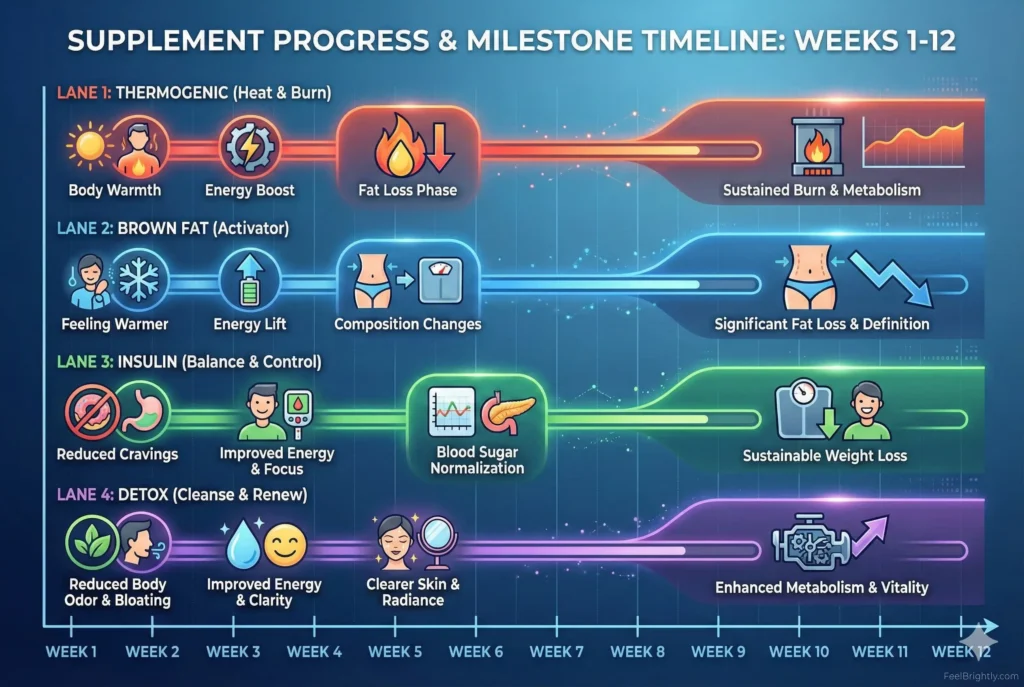
Expected timeline: Increased body warmth within 3-7 days, noticeable energy improvement week 2, visible fat loss starting week 3-4, sustained metabolic increase by week 8-12.
For Brown Fat Shutdown:
Primary Solution: Cold-Mimicking Compounds (Resveratrol, Quercetin, Fucoxanthin)
How it works: Resveratrol, quercetin, and fucoxanthin activate the same beta-3 receptors and AMPK pathways that cold exposure triggers, recruiting dormant brown adipose tissue without temperature stress.
Expected timeline: Feeling warmer within 5-10 days (sign of BAT activation), increased energy week 2, early body composition changes week 3-4, significant fat loss by week 8-12.
For Insulin Resistance:
Primary Solution: Berberine HCl (1500mg Daily Dosage)
How it works: Activates AMPK enzyme to restore insulin receptor sensitivity, reduce hepatic glucose production, and improve cellular glucose uptake. Works through same pathways as metformin but naturally.
Expected timeline: Reduced cravings within 1-2 weeks, improved energy within 2-3 weeks, blood sugar normalization within 4-6 weeks, weight loss acceleration by week 8-12.
For Cellular Toxin Accumulation:
Primary Solution: Liquid Chlorophyll (Concentrated Chlorophyllin)
How it works: Chlorophyllin binds to heavy metals, carcinogens, and metabolic toxins in the digestive tract and bloodstream, preventing reabsorption and promoting elimination through natural detox pathways.
Expected timeline: Reduced body odor within 10 days (internal detox sign), improved energy within 2 weeks, clearer skin within 4 weeks, enhanced metabolic function by week 8-12.
The Combination Approach for Multiple Blocks
If your self-assessment revealed 2+ primary blocks (which is common after age 35), a combination strategy produces significantly better results than addressing one block at a time.
Why Combination Works Better:
Metabolic blocks compound each other. Thermogenic resistance makes brown fat shutdown worse. Insulin resistance increases toxin storage. Addressing multiple pathways simultaneously creates synergistic metabolic restoration rather than incremental improvement.
Recommended Combinations:
For Thermogenic Resistance + Brown Fat Shutdown:
Combine thermogenic activators (morning) + brown fat stimulators (afternoon)
Both target thermogenic pathways through different receptors, creating comprehensive metabolic activation that addresses calorie-burning dysfunction from multiple angles.
For Insulin Resistance + Cellular Toxins:
Combine berberine supplementation (with meals) + chlorophyll detoxification (morning)
Berberine restores insulin sensitivity while chlorophyllin removes toxins that interfere with insulin signaling, creating faster blood sugar normalization.
For All 4 Blocks (Comprehensive Reset):
Month 1-2: Focus on toxin removal (chlorophyll) + insulin restoration (berberine)
Month 3-4: Add thermogenic activation (Seville orange) + brown fat recruitment (cold-mimicking compounds)
This staged approach clears metabolic obstacles before activating energy-burning pathways for optimal results.
Combination Safety:
All four supplement categories work through different mechanisms with no known interactions. However, if you’re taking diabetes medications, blood pressure medications, or blood thinners, consult your healthcare provider before combining supplements—particularly berberine, which can enhance medication effects.
The Bottom Line
You can’t out-diet metabolic blocks. You can’t out-exercise pathways that are physically shut down. When your body has developed thermogenic resistance, brown fat shutdown, insulin resistance, or toxic overload after age 35, generic “fat burner” supplements will fail because they’re not addressing the actual dysfunction.
The solution isn’t trying harder with broken metabolism—it’s identifying which specific blocks you have and using targeted compounds that reactivate those exact pathways.
Start by completing the self-assessment above to identify your primary blocks, then choose the corresponding supplement(s) that target those specific mechanisms. Most people see initial improvements within 2-4 weeks and significant metabolic restoration within 8-12 weeks of consistent use.
Frequently Asked Questions
Can I have multiple metabolic blocks at once?
Yes. Most people over 35 have 2-3 metabolic blocks operating simultaneously, which is why addressing just one pathway (like taking caffeine for “energy”) fails completely. The self-assessment above helps identify all your blocks so you can address them strategically.
How long does it take to break through metabolic blocks?
Initial improvements typically appear within 2-4 weeks (reduced cravings, better energy, feeling warmer). Visible fat loss usually starts week 3-6 as metabolic pathways reactivate. Full metabolic restoration typically requires 8-12 weeks of consistent supplementation as cellular function normalizes.
Why didn’t diet and exercise fix my metabolism?
Diet and exercise work when metabolism functions normally. When you have metabolic blocks—cellular pathways that are physically shut down—eating less and moving more can’t reactivate those pathways. You need specific compounds that trigger the blocked receptors and enzymes.
Can I take multiple supplements for different blocks?
Yes. The four supplement categories (thermogenic activators, brown fat stimulators, insulin sensitizers, detoxifiers) work through different mechanisms with no known interactions. Many people combine 2-3 supplements to address multiple blocks simultaneously for faster, more comprehensive results.
Are these supplements safe long-term?
All four supplement categories use natural, plant-based compounds with extensive safety research. They’re designed for sustained use because metabolic blocks don’t resolve in 30 days—they require months of consistent pathway reactivation. Always consult your healthcare provider if you’re taking medications, especially for diabetes or blood pressure.
What if I try a supplement and it doesn’t work?
If a supplement targeting one block doesn’t produce results within 4-6 weeks, you likely have a different primary block or multiple blocks requiring combination therapy. Complete the self-assessment again and consider whether you need to address additional pathways simultaneously.

Elena Hartwell is a wellness educator specializing in sleep optimization, metabolic health, and natural weight management. After years of struggling with exhaustion and unexplained weight gain despite “doing everything right,” Elena discovered the powerful connection between sleep quality, gut health, and metabolism—a breakthrough that transformed her life and inspired her mission. Today, she translates cutting-edge research into simple, actionable strategies that help readers sleep better, lose stubborn weight naturally, and reclaim their energy. Elena’s evidence-based approach has helped thousands break free from the diet-exercise cycle by addressing the root cause: disrupted sleep and metabolic dysfunction.