Once I understood how blood sugar and insulin work, the cravings stopped. I lost 17 pounds without trying. And I finally understood why “eating healthy” wasn’t working.
What’s Actually Happening 2 Hours After You Eat
When you eat carbohydrates—bread, pasta, rice, oatmeal, fruit, sugar—your body breaks them down into glucose (blood sugar). Glucose enters your bloodstream, and your pancreas releases insulin to help move that glucose into your cells for energy.
This is normal. This is how your body is supposed to work.
But here’s the problem: not all carbs are created equal. Some foods spike your blood sugar fast and high. Others release glucose slowly and steadily.
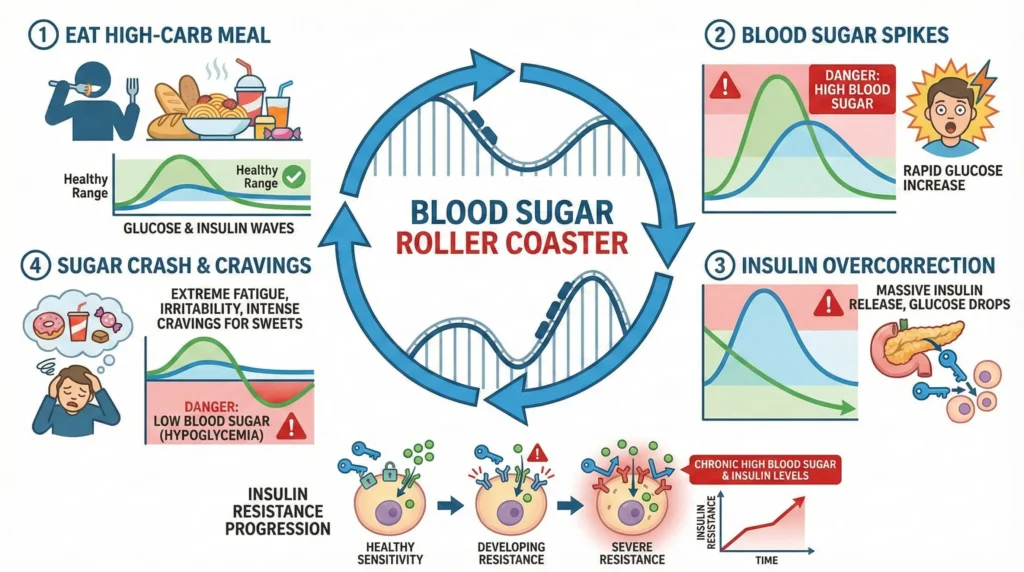
When you eat high-glycemic foods—white bread, sugary cereal, fruit juice, pastries—your blood sugar shoots up quickly. Your pancreas panics and releases a massive dose of insulin to bring it back down.
Too much insulin drives blood sugar down too far, too fast. This is called reactive hypoglycemia—a blood sugar crash.
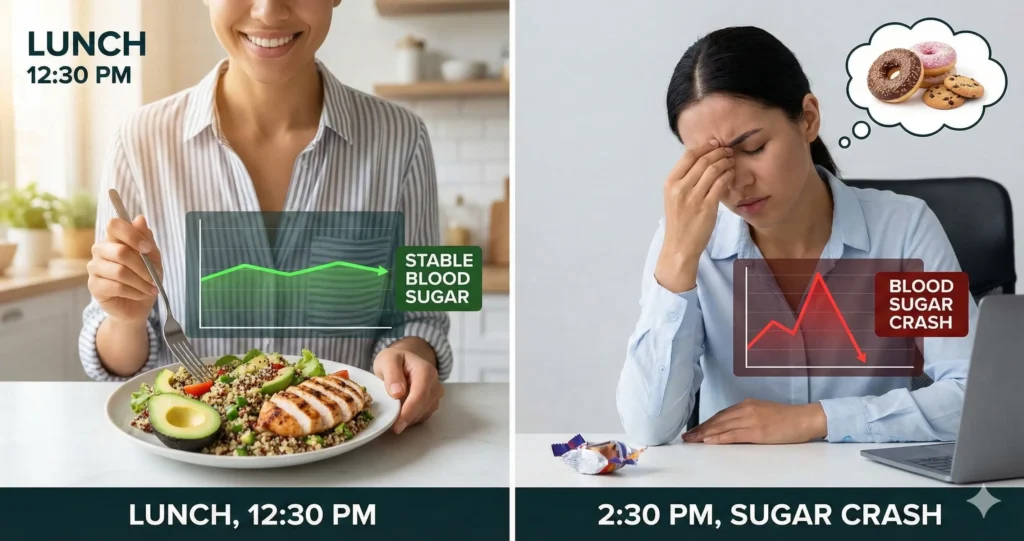
When your blood sugar crashes, your body goes into emergency mode. It thinks you’re starving. It releases stress hormones (cortisol, adrenaline) and triggers intense hunger signals—specifically for quick-acting carbs and sugar.
This is why you crave cookies and candy 2 hours after eating oatmeal. Your blood sugar spiked, insulin overcompensated, and now your body is desperate for more glucose.
You’re not weak. You’re not lacking willpower. Your biology is working exactly as it’s designed—it’s just responding to the wrong inputs.
The Hidden Cause: Insulin Resistance
If this blood sugar roller coaster happens occasionally, it’s annoying but manageable. But if it happens multiple times per day, every day, for months or years, your cells stop responding to insulin properly.
This is insulin resistance.
Your cells are constantly bombarded with insulin. They become desensitized—like turning down the volume when someone’s always yelling at you. Insulin keeps knocking, but your cells stop answering the door.
Now glucose can’t get into your cells efficiently. It stays in your bloodstream longer. Your pancreas produces even more insulin to compensate. This creates a vicious cycle:
1. High blood sugar → Excess insulin
2. Insulin resistance worsens → Blood sugar stays high
3. More insulin produced → More resistance
4. Cravings intensify → You eat more sugar
5. Repeat
Insulin resistance is why you can’t lose weight even when you’re “eating healthy.” Your body is stuck in fat-storage mode. High insulin levels tell your body to store fat, not burn it. And as long as insulin is elevated, fat burning is impossible.
According to recent data, 98 million Americans have prediabetes—a direct result of insulin resistance. Most don’t even know it.
Why “Healthy” Foods Make It Worse
Here’s where it gets frustrating. The foods marketed as “healthy” are often the ones spiking your blood sugar most.
Oatmeal: Whole grain, high fiber, heart-healthy—except it’s mostly starch, which converts to glucose quickly. Unless you’re adding protein and fat, oatmeal is a blood sugar bomb.
Fruit juice and smoothies: “Natural sugar” is still sugar. A glass of orange juice has as much sugar as a can of soda. Without the fiber from whole fruit, it hits your bloodstream fast.
Low-fat yogurt: Fat was removed, so sugar was added to make it taste good. Most flavored yogurts have 15-20g of added sugar per serving.
Whole wheat bread: Better than white bread, but still high-glycemic. Two slices can spike blood sugar as much as eating pure table sugar.
Granola and energy bars: Packed with oats, dried fruit, and honey. Basically candy bars marketed as health food.
These foods aren’t inherently evil. But when eaten alone, without protein or fat to slow glucose absorption, they cause exactly the blood sugar spike-and-crash pattern that triggers cravings.
How to Actually Stop the Cravings
The solution isn’t eliminating carbs entirely. It’s stabilizing blood sugar so you don’t experience the spike-and-crash cycle.
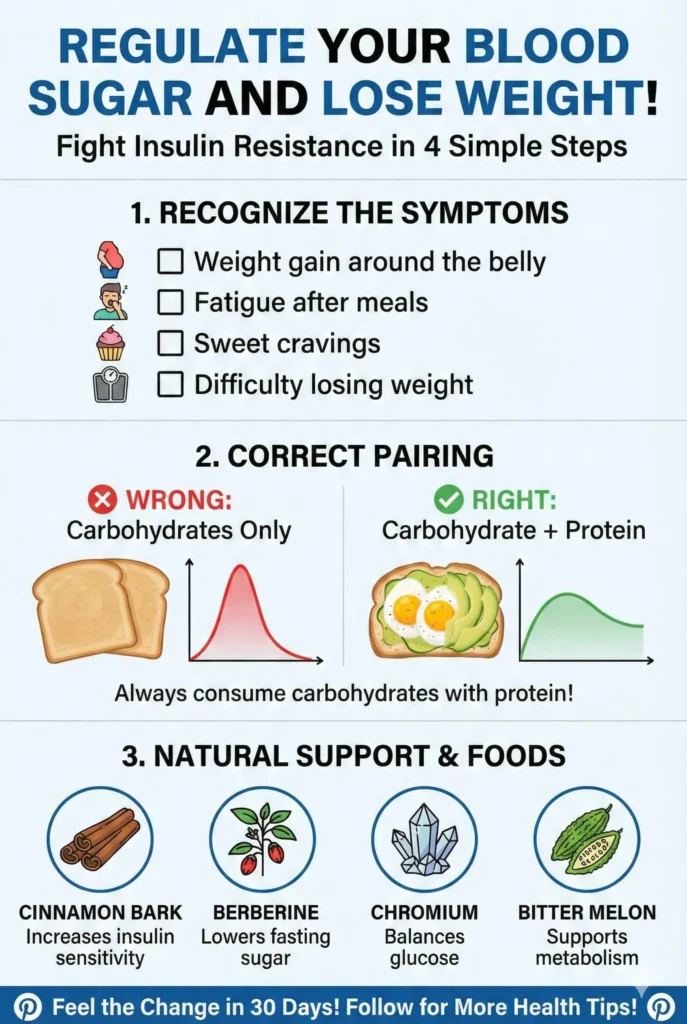
1. Always Pair Carbs with Protein and Fat
Never eat carbs alone. This is the single most important rule.
Bad: Toast with jam for breakfast
Good: Toast with eggs and avocado
Bad: Apple as a snack
Good: Apple with almond butter
Bad: Pasta for dinner
Good: Pasta with chicken, olive oil, and vegetables
Protein and fat slow glucose absorption. They prevent the blood sugar spike, which prevents the insulin surge, which prevents the crash and cravings.
A Cornell University study found that eating protein and vegetables before carbohydrates reduces glucose spikes by 73%. Same food, different order, completely different blood sugar response.
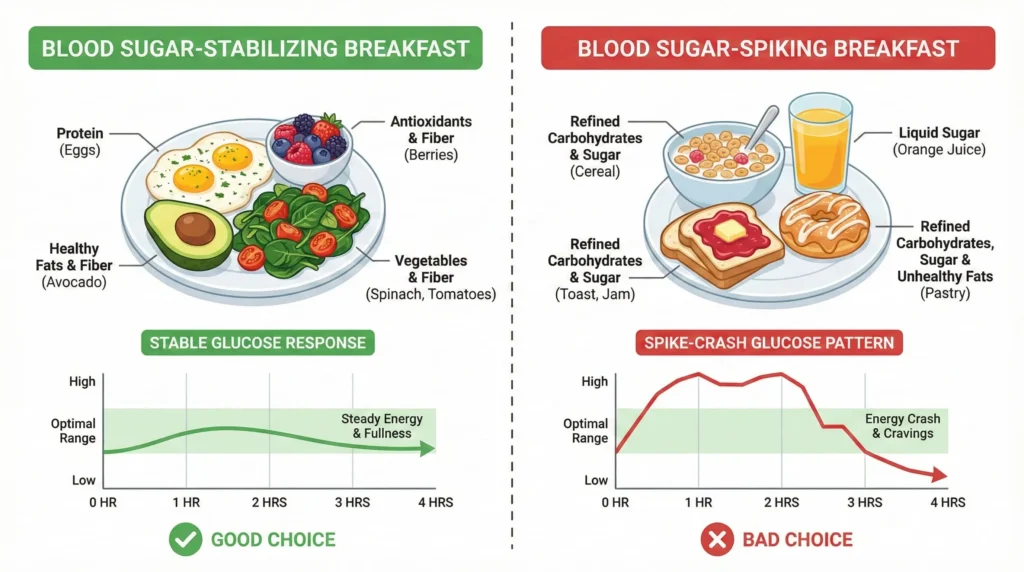
2. Start Your Day with Protein, Not Carbs
Your first meal sets your blood sugar pattern for the entire day.
If you start with cereal, toast, or a muffin, you’re triggering the spike-crash cycle immediately. You’ll spend the rest of the day chasing cravings.
Instead, eat 20-30 grams of protein for breakfast:
– Eggs with vegetables
– Greek yogurt (plain, full-fat) with nuts
– Leftover meat from dinner
– Protein shake with real ingredients
This stabilizes blood sugar, reduces hunger, and eliminates mid-morning cravings. Check out our morning routine guide for more tips on starting your day right.
3. Cut Out Liquid Sugar Entirely
Soda, juice, sweetened coffee drinks, energy drinks—these are the worst offenders. They spike blood sugar faster than anything else because there’s no fiber or protein to slow absorption.
Even “healthy” smoothies can be problematic. A fruit smoothie with no protein or fat is basically liquid sugar. Add protein powder, Greek yogurt, or nut butter to balance it out.
4. Move After Meals
A 10-15 minute walk after eating significantly reduces blood sugar spikes. Your muscles use glucose for energy, pulling it out of your bloodstream without needing as much insulin.
You don’t need intense exercise. Just light movement. Walk around the block. Do dishes. Anything that gets you moving.
5. Consider Blood Sugar Support
For some people, diet and lifestyle changes aren’t enough—especially if insulin resistance has been building for years.
I tried everything—eating protein-first, cutting sugar, walking after meals. It helped, but I was still struggling with afternoon cravings and couldn’t lose the last 15 pounds.
Then I tried LeanBliss, a supplement specifically designed to support healthy blood sugar levels and reduce cravings.
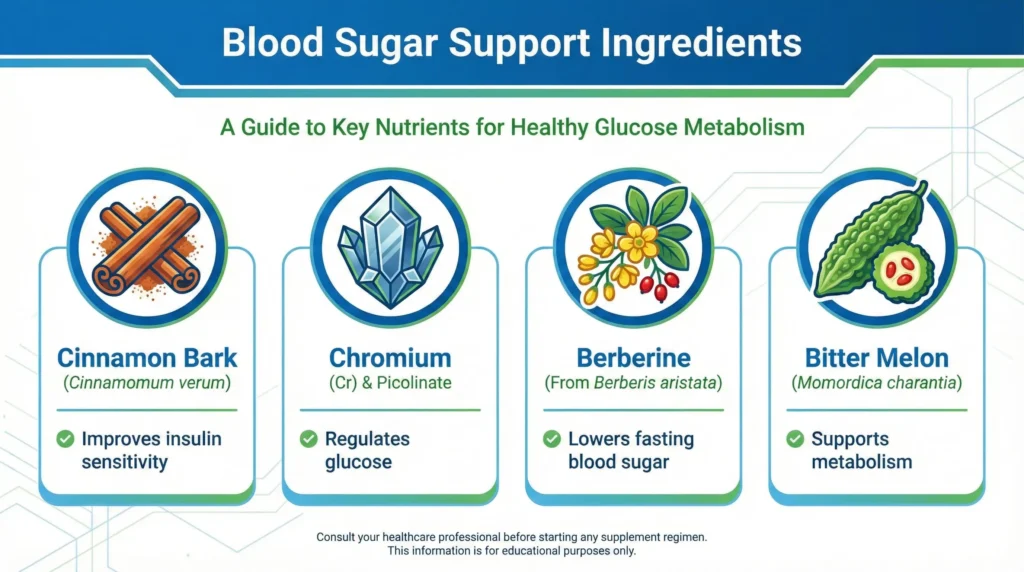
The formula includes ingredients that have been shown to improve insulin sensitivity and glucose metabolism:
– Cinnamon bark (helps cells respond to insulin better)
– Chromium (essential for blood sugar regulation)
– Berberine (clinically shown to lower fasting blood sugar)
– Bitter melon (supports healthy glucose metabolism)
What I noticed after 30 days: Cravings dropped significantly. I wasn’t thinking about food constantly. The 2 PM sugar crash disappeared. And I finally started losing weight—17 pounds over 3 months without feeling deprived.
This wasn’t magic. It was my body finally responding properly to insulin again.
Where to get it: LeanBliss official website. They offer a 180-day money-back guarantee, which is why I tried it in the first place.
Important: Supplements help, but they don’t replace healthy eating. Use them as part of a complete approach—protein-focused meals, movement, and stable blood sugar habits.
What to Expect When You Fix Your Blood Sugar
Once your blood sugar stabilizes, everything changes.
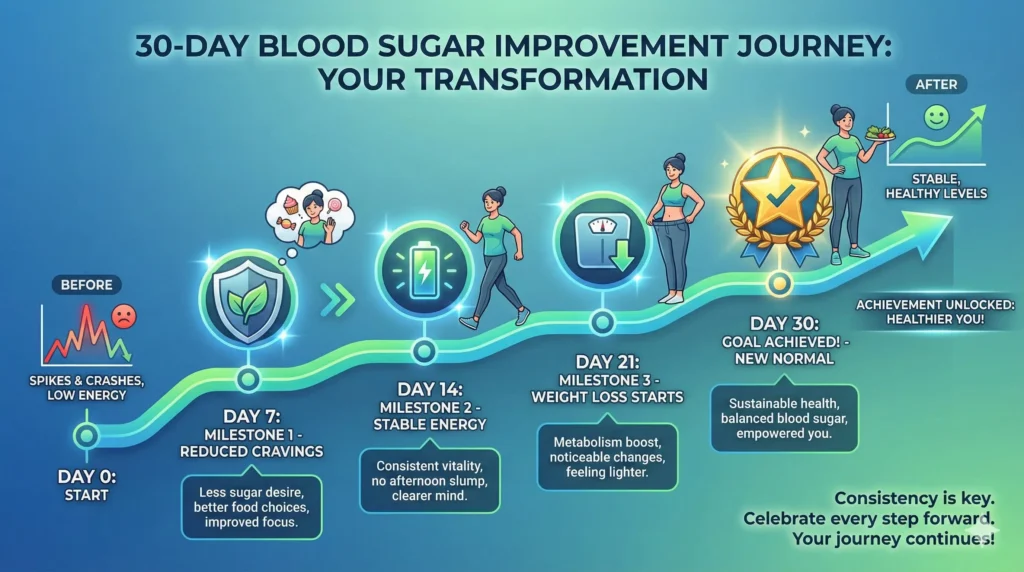
Week 1-2: Cravings are still there but less intense. You’ll notice you’re not thinking about food every hour. Energy is more stable—no more 3 PM crashes.
Week 3-4: Cravings significantly reduce. You can walk past a bakery without needing to stop. Hunger feels different—real hunger, not blood-sugar-driven panic hunger.
Week 5-8: Weight loss starts. Your body can finally access stored fat because insulin levels are lower. You’re not constantly in fat-storage mode anymore.
Month 3+: This becomes your new normal. You’re not fighting your body anymore. Food is fuel, not an obsession. And you realize how much mental energy you wasted thinking about your next meal.
For more on how metabolism and energy are connected, read our guide on mitochondrial health and weight loss.
Why This Matters for Weight Loss
You can’t out-exercise or out-willpower high insulin levels. As long as insulin is elevated, your body will not burn fat. Period.
This is why people can eat 1,200 calories per day, exercise an hour daily, and still not lose weight. Their insulin is too high. Their body is in fat-storage mode 24/7.
The solution isn’t eating less. It’s eating in a way that keeps insulin low and stable.
When you stabilize blood sugar:
– Insulin levels drop
– Fat burning becomes possible
– Hunger decreases naturally
– Cravings disappear
– Energy stabilizes
Weight loss becomes effortless because your body is finally working with you instead of against you.
If you’re also doing intermittent fasting, stable blood sugar makes it 10x easier. Learn more about fasting and metabolic health.
Final Thoughts
Your sugar cravings aren’t a character flaw. They’re a biological response to unstable blood sugar.
When you eat foods that spike glucose, your body overcompensates with insulin, crashes your blood sugar, and triggers intense cravings for more sugar. This cycle repeats multiple times per day, leading to insulin resistance and making weight loss nearly impossible.
The fix: stabilize blood sugar by pairing carbs with protein and fat, starting your day with protein, cutting liquid sugar, moving after meals, and supporting your metabolism with the right nutrients.
Once your blood sugar is stable, cravings vanish. Weight loss happens naturally. And you finally stop feeling like you’re constantly fighting your own body.
If you’ve tried everything and still struggle with cravings and weight loss, it’s worth checking if insulin resistance is the underlying issue. Support your blood sugar, and everything else gets easier.

Elena Hartwell is a wellness educator specializing in sleep optimization, metabolic health, and natural weight management. After years of struggling with exhaustion and unexplained weight gain despite “doing everything right,” Elena discovered the powerful connection between sleep quality, gut health, and metabolism—a breakthrough that transformed her life and inspired her mission. Today, she translates cutting-edge research into simple, actionable strategies that help readers sleep better, lose stubborn weight naturally, and reclaim their energy. Elena’s evidence-based approach has helped thousands break free from the diet-exercise cycle by addressing the root cause: disrupted sleep and metabolic dysfunction.